Tag: industrie

  • Post-Event Report – 2nd Forum for Supercomputing & Future Technologies

    Services & Applications for Industry and Public Institutions

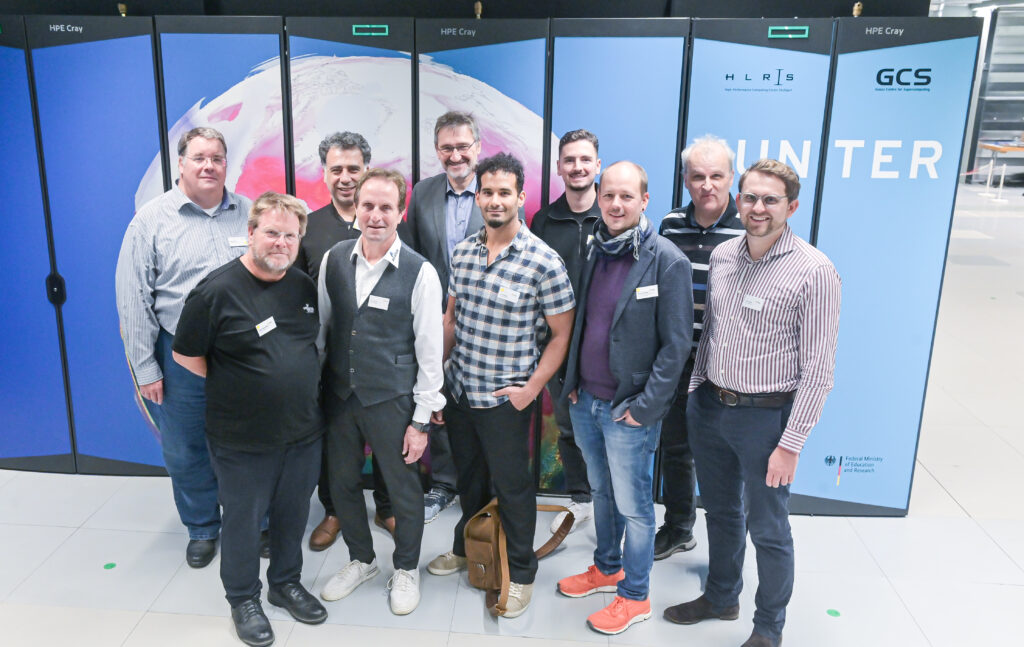
    On October 21, 2025, the High-Performance Computing Center Stuttgart (HLRS) hosted the second Forum for Supercomputing & Future Technologies. Under the motto “Services & Applications for Industry and Public Institutions,” experts from research, industry, and the public sector came together to explore how high-performance computing (HPC) is driving digital innovation and transformation across domains.

    After a warm welcome by Dr. Andreas Wierse (SIDE / SICOS BW GmbH), the day began with industrial use cases highlighting the digital transformation of SMEs. Erwin Schnell (AeroFEM GmbH) opened with „Der Weg ist das Ziel" , illustrating how small and medium-sized enterprises can leverage simulation and HPC to navigate the path toward digital maturity. Dr. Andreas Arnegger (OSORA Medical GmbH) followed with an impressive insight into HPC-assisted therapy planning for bone fracture treatment, showing how computational power directly benefits patient care.
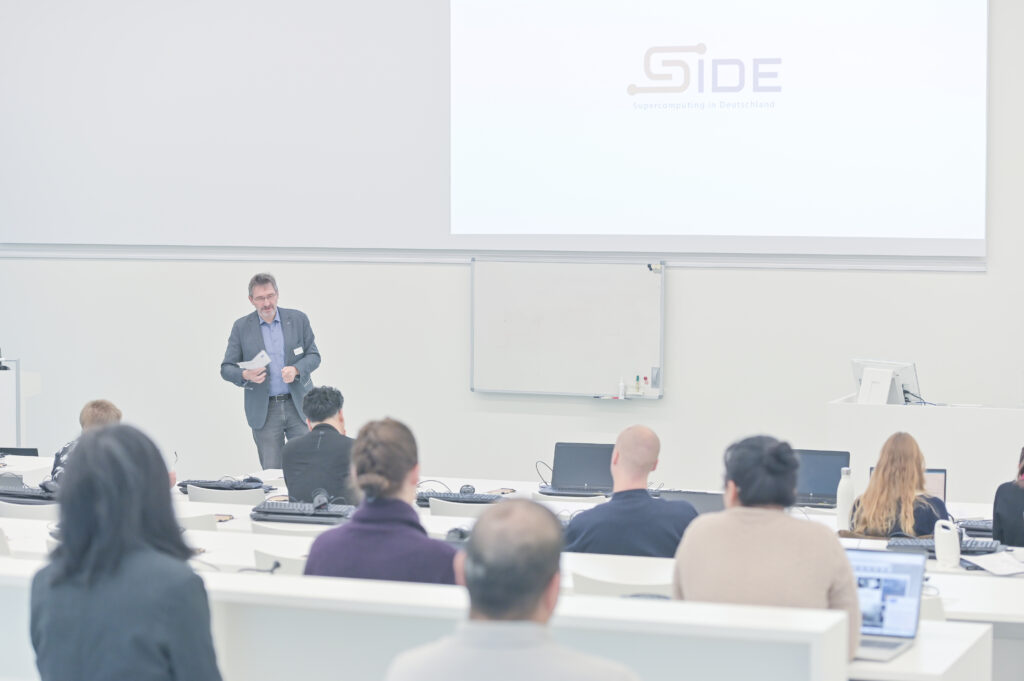
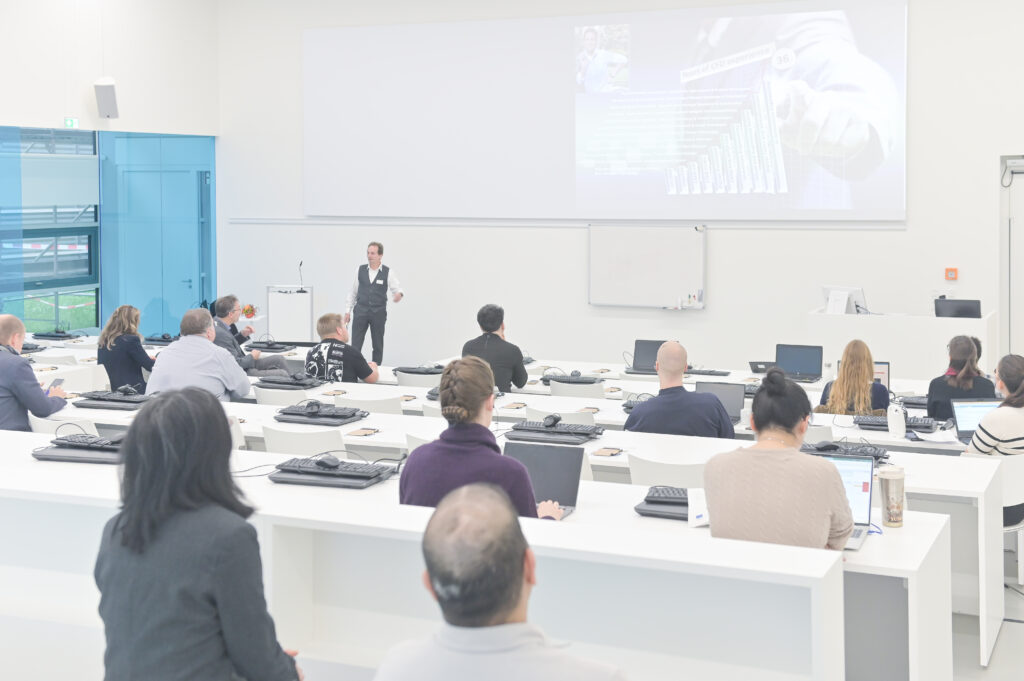
    In another striking example, Dr. Sebastian Mayer and Dr. Andrey Lutich (PropertyExpert GmbH) demonstrated how AI-based image recognition is revolutionizing automated invoice verification – a clear intersection between data science and high-performance computing.
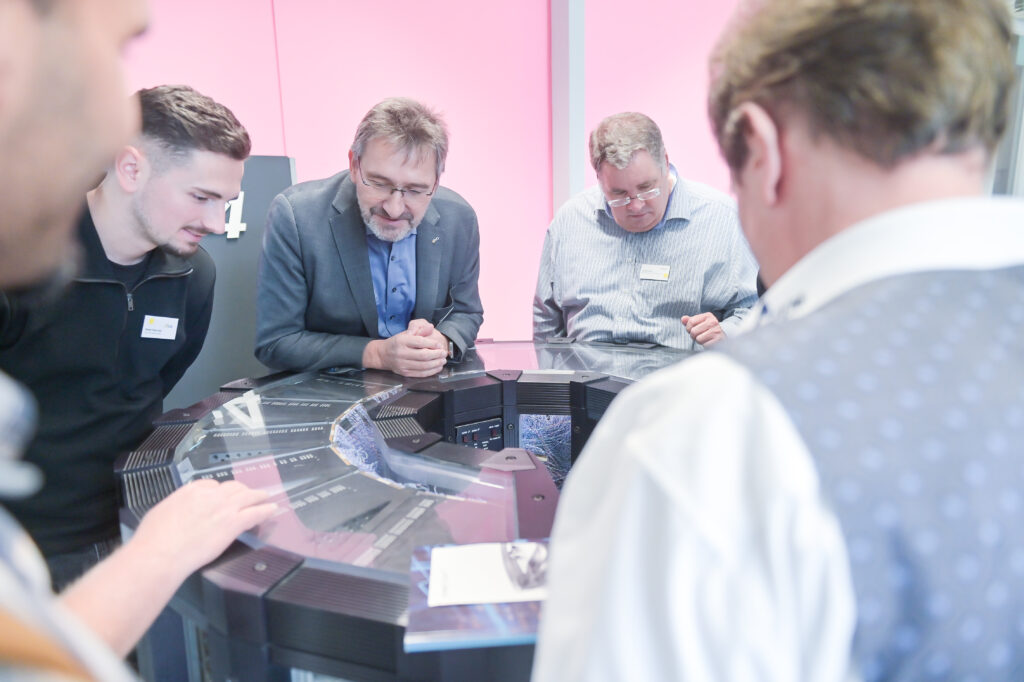
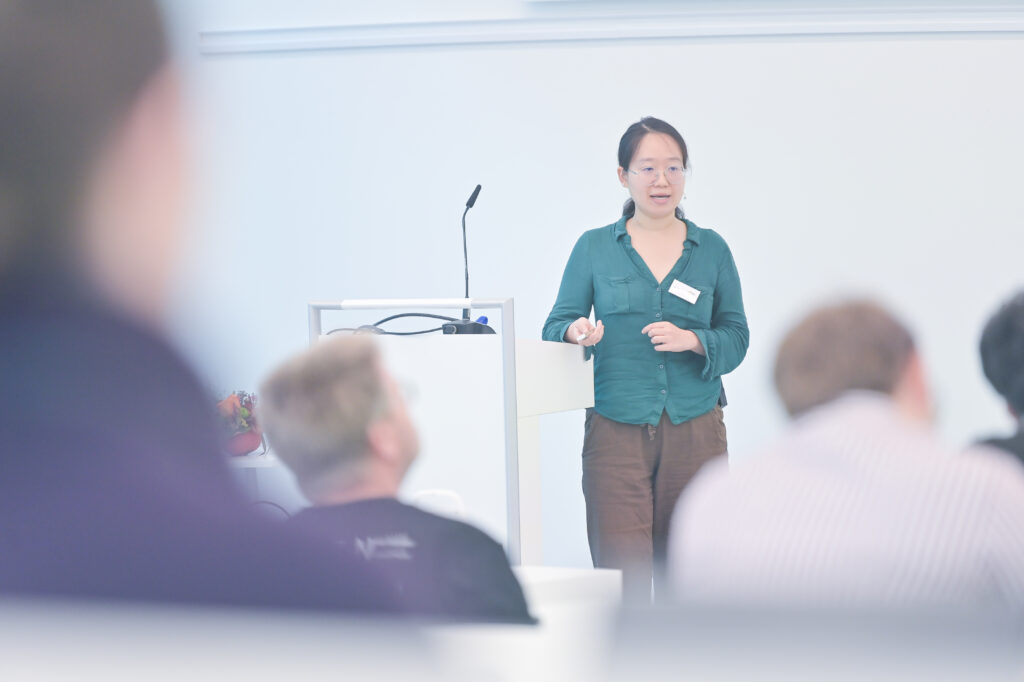
    After a short coffee break, Paul von Berg (Urban Monkeys GmbH / DataMonkey) shared his experience fine-tuning a geospatial LLM on HPC systems, sparking lively discussions among attendees. Daniel Gröger (alitiq GmbH) presented an FFplus-supported project using machine learning for short-term PV power forecasting, followed by Dr. Xin Liu (SIDE / Jülich Supercomputing Centre) , who showcased dam-break simulations and German Bight operation models – tangible examples of HPC applications in the public sector.

    Before lunch, several key initiatives were introduced, including SIDE, FFplus, JAIF, HammerHAI, EDIH Südwest and EDIH-AICS. Together, they illustrated how research, funding, and industry are closely collaborating to enhance digital innovation and technological sovereignty in Germany and Europe.

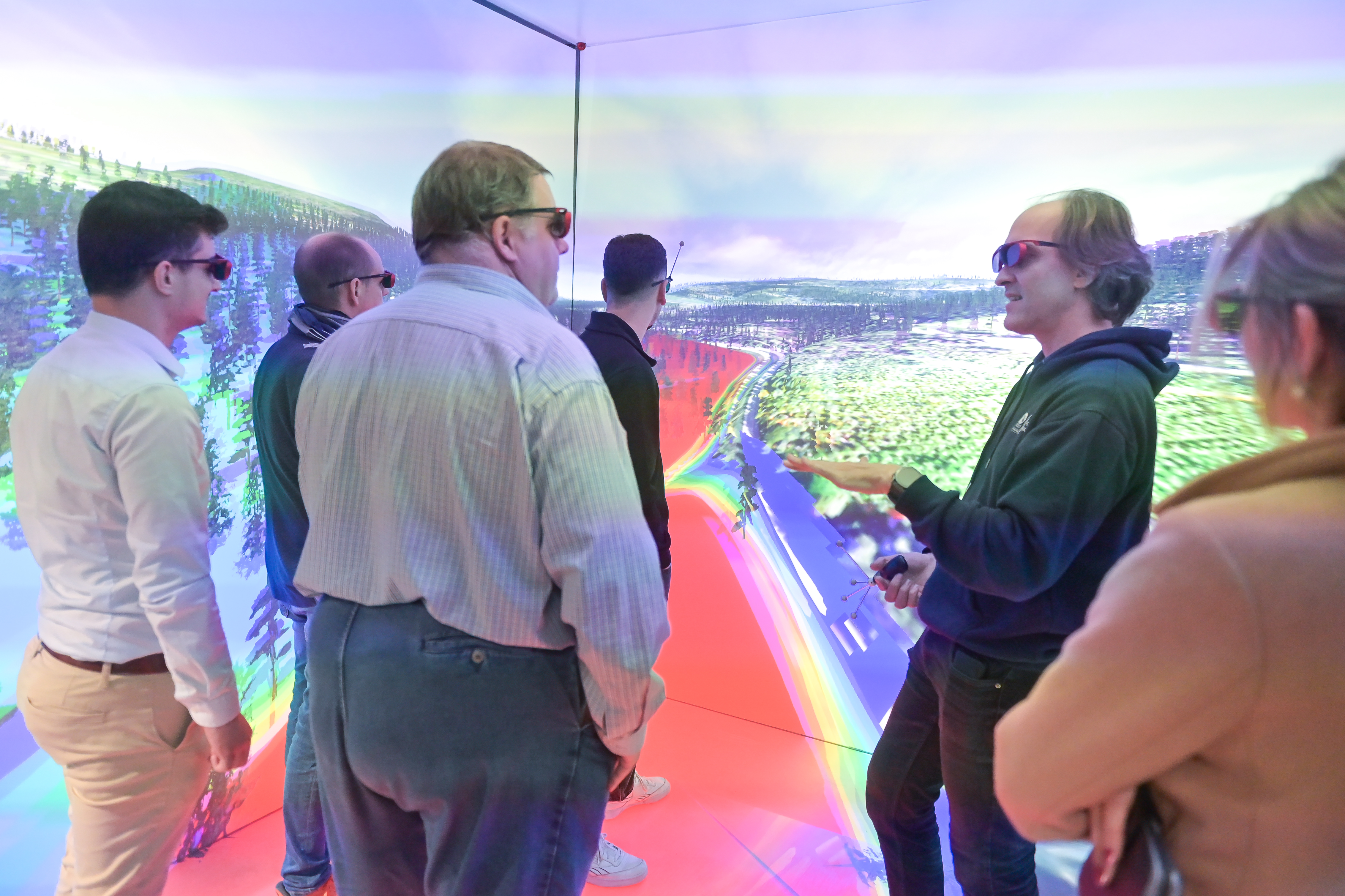
    The afternoon program combined practical experience with networking. Participants could either join Speeddating with HPC, AI, and funding experts or take a data center tour to see HLRS infrastructure in action. Later, sessions included one-on-one expert consultations, a hands-on workshop „How to Use a Supercomputer: The Basics“ by Dr. Maksym Deliyergiyev , and a visualization workshop led by the HLRS Visualization Department, where participants experienced immersive data environments.
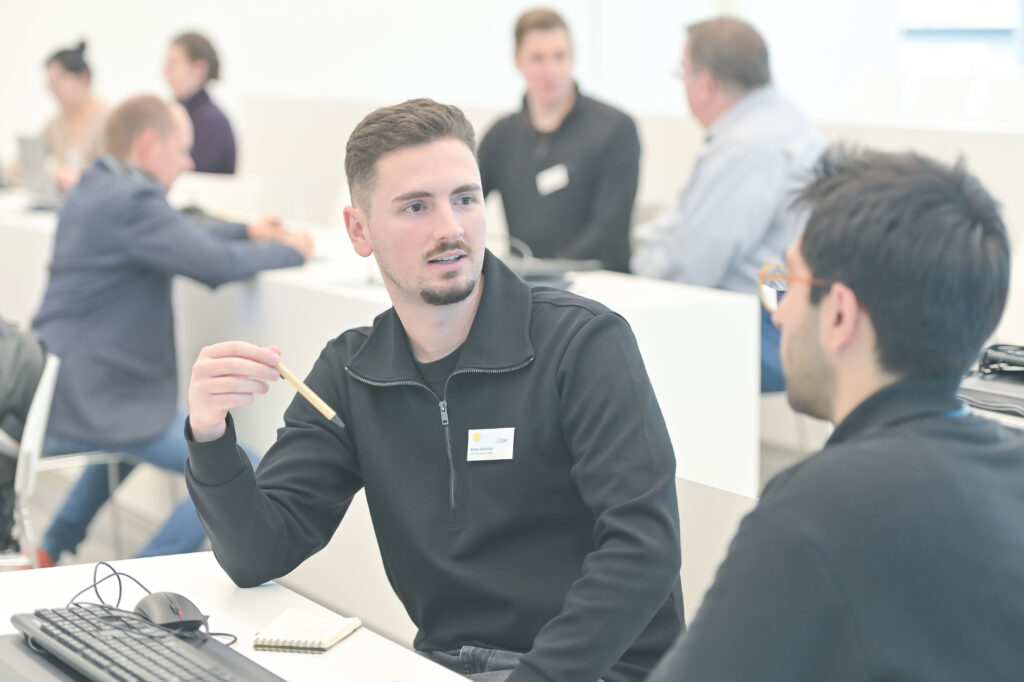
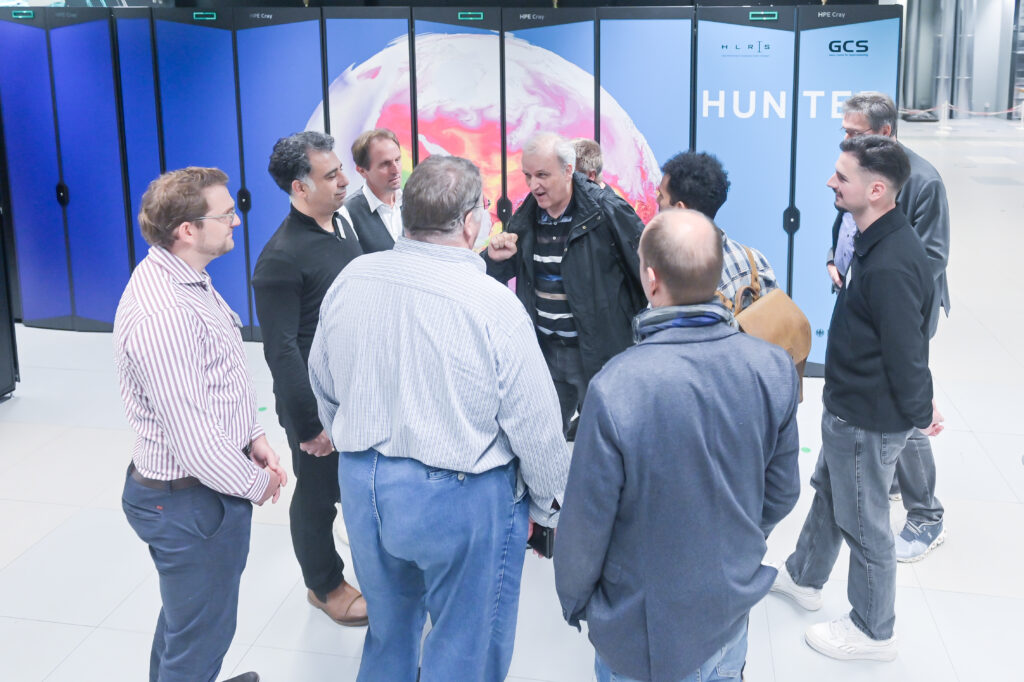
    In closing, Dr. Andreas Wierse offered a look ahead to upcoming SIDE and EuroCC activities, emphasizing the growing role of collaboration and accessibility in supercomputing. The forum once again proved that HPC is no longer an exclusive domain of research institutions but a practical tool for innovation in both industry and the public sector.

    The morning program of the second SIDE Forum can now be viewed below.

    Watch video

  • HPC for AI-based trading robots: A success story with Smart-Markets GmbH

    Technical/scientific Challenge

    In the ever-changing financial markets, adaptability and innovation are crucial for sustained success. Smart-Markets GmbH is an SME that develops and offers automated trading robots for medium to long-term stock trading and foreign exchange (forex) Day trading. Since market dynamics change over time, the performance of a trading algorithm diminishes when it is not able to adapt to market changes. Therefore, maintaining continuous effectiveness of the trading robots is one of the major challenges for Smart-Markets, currently requiring continuous back-testing and recalibration of the trading robot algorithms.

    Solution

    To address this challenge, Smart-Markets collaborated with SIDE in a Proof-of-Concept (PoC) study to explore using advanced Machine Learning techniques, specifically Reinforcement Learning, to improve the adaptability of their trading robots. As shown in Figure 1, the robot traded in the EUR/USD stock market. More than 10 years of high frequency tick data, which records every price change in trading, was used for the training and the subsequent test-trading of the agent.

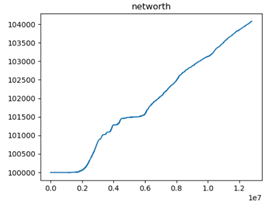
    Figure 2 depicts the results for a simplified scenario, in which no trading fee was applied for the transactions. After an initial random action phase in the first years of trading, where the net worth of 100.000 USD did not significantly change, the agent started making its own trading decisions. Evidently, the predictions of the agent were sufficient to achieve a continuous profit over several years of trading, even in periods of overall negative trends.

    Diagram showing an interaction loop between two labeled boxes. The top box says
    Figure 1: AI agent with reinforcement learning to trade Euro and USD in the stock price.
    Diagram showing an interaction loop between two labeled boxes. The top box says
    Figure 2: Net worth of the trading robot over time (left) and the course of the USD/EUR training data (right).

    Benefits 

    • SIDE helped Smart-Markets leverage HPC resources for processing and analyzing large-scale, high-frequency financial data.
    • The PoC enabled the testing of AI-based trading robots, which could be adapted to changing market conditions within Smart-Markets trading strategies.
    • This PoC serves as a model for exploring broader adoption of advanced computing in the financial sector and beyond.

    Results

    With AI expertise provided by SIDE, this PoC allowed Smart-Markets to explore a new technology without first needing to acquire AI experience. The results show that an AI-based trading robot has the potential to trade profitably over multiple years by dynamically adapting to market changes in real-time. However, within the scope of this project, it was not possible to train a robot that makes a profit in realistic scenarios where a fee is required for each action. To adapt the trading robot to realistic scenarios in the future, the scope of this PoC could be significantly expanded by e.g. incorporating data from several trading prices into the training model.